
How often should I have a massage?
One of the questions I’m asked most often is, “How often should I get a massage?”
The honest answer is… it depends.
When deciding when to rebook your next massage, the first thing to consider is why you booked in the first place.
Ask yourself:
- Are you struggling with muscle pain or tension?
- Do you suffer from headaches or migraines?
- Are you feeling stressed, anxious or overwhelmed?
- Do you have an ongoing condition such as fibromyalgia?
- Or do you simply love having a massage and want to maintain your wellbeing?
Everyone’s body is different, so there isn’t a one-size-fits-all approach. The right treatment plan depends on your lifestyle, job, health and personal goals.
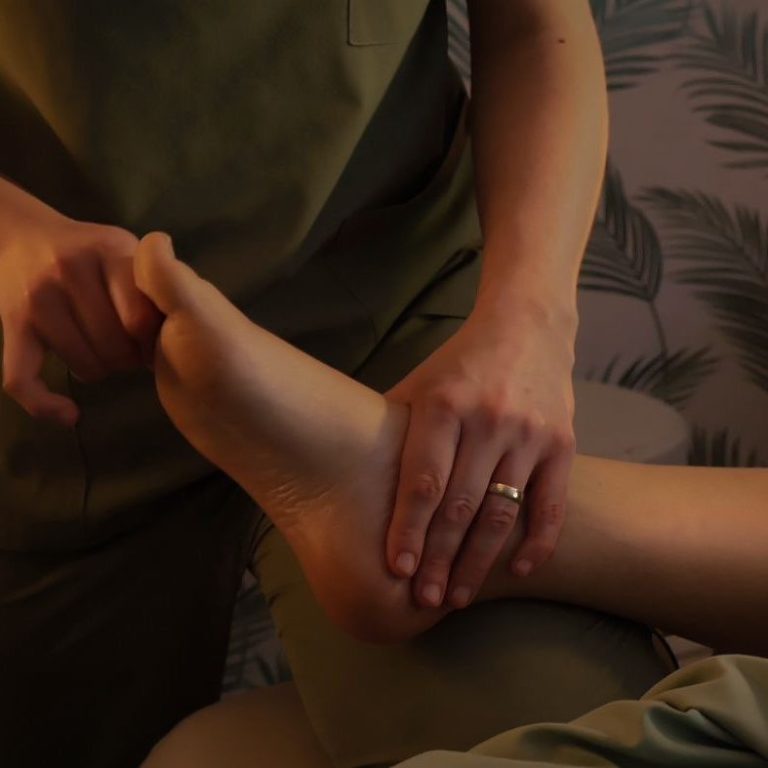
Why Regular Massage Matters
Modern life can be tough on our bodies.
Whether you spend all day sitting at a computer, looking down at your phone, lifting children, cleaning, decorating or doing a physically demanding job, your muscles are constantly working. Over time, this can lead to tension, stiffness, aches and reduced mobility.
Regular massage isn’t just a luxury—it’s an investment in your health. Massage therapy can help to:
- Reduce muscle tension
- Ease neck and back pain
- Improve circulation
- Increase flexibility and movement
- Lower stress levels
- Improve sleep quality
- Encourage relaxation
- Support your overall wellbeing
How Often Should You Have a Massage?
Most of my clients choose appointments weekly, fortnightly, every four weeks or every six weeks, depending on their needs.
If you’re struggling with neck, shoulder or back pain
If you’re experiencing ongoing pain or tight muscles, I’d usually recommend a massage every two weeks to begin with.
Each treatment builds on the last, helping to release muscle tension, improve movement and reduce discomfort. Once your symptoms improve, we can often increase the time between appointments to maintain the results.
If you work at a desk or computer
Sitting for long periods can place a huge amount of strain on your neck, shoulders and lower back.
If you spend most of your day at a desk, I’d recommend having a massage every four weeks to help prevent tension building up before it becomes painful.
If you have a physical or manual job
Jobs involving lifting, pushing, pulling or repetitive movements can be hard on the body.
Whether you work in childcare, cleaning, construction, decorating, healthcare or a factory, a monthly massage can help keep muscles supple and reduce the risk of aches and pains developing.
If you’re already in significant discomfort, you may benefit from more frequent treatments initially.


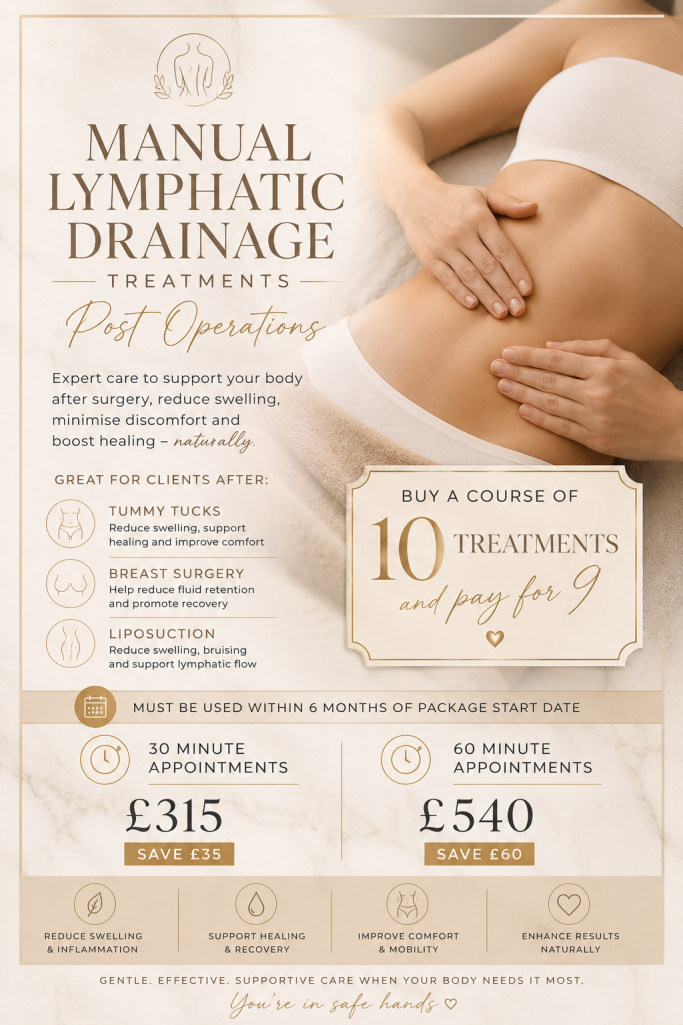
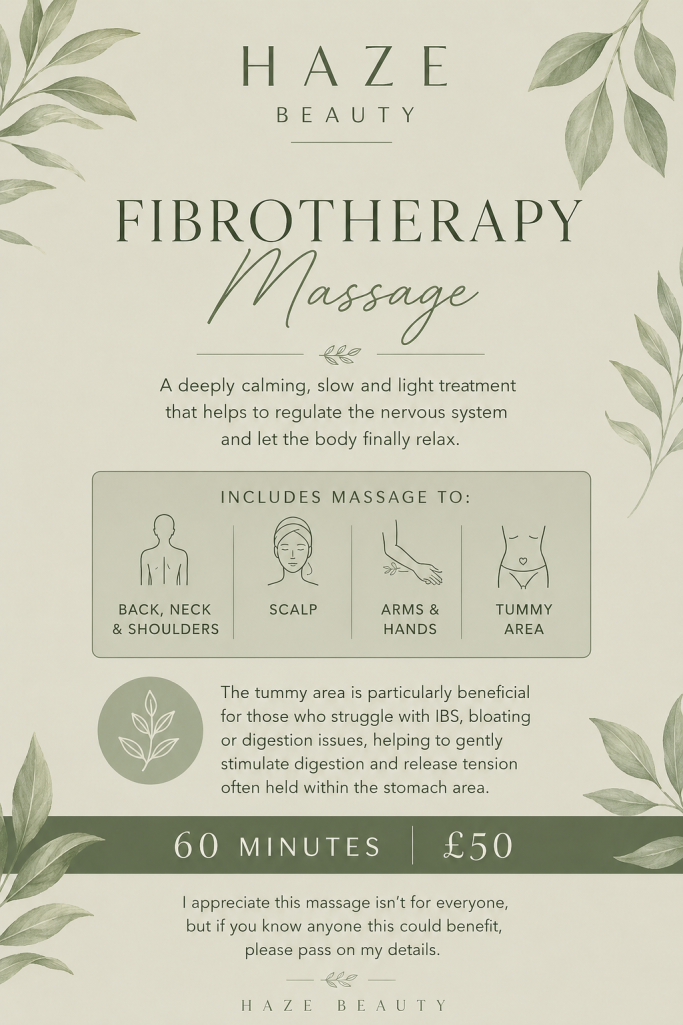
Massage for management of health conditions & pregnancy
Massage for Fibromyalgia
If you’re living with fibromyalgia, regular massage can play an important part in managing your symptoms.
I usually recommend treatments every 1-2 weeks, depending on how you’re feeling.
Massage may help:
- Reduce muscle pain
- Improve relaxation
- Calm the nervous system
- Improve sleep
- Reduce stress and anxiety
Fibromyalgia massage works by encouraging your body to move out of its constant “fight or flight” response and into a more relaxed state, helping you feel calmer both physically and mentally.
Menopause Massage
Hormonal changes during menopause can affect both your body and mind.
A monthly menopause massage can help you manage symptoms such as:
- Muscle aches
- Stress and anxiety
- Poor sleep
- Fatigue
- Low mood
- General tension
Many clients find that regular treatments become an important part of their self-care routine during this stage of life.
Pregnancy Massage
Pregnancy places huge demands on your body, and massage can be a wonderful way to relieve discomfort while giving yourself some much-needed time to relax.
Second trimester
A monthly pregnancy massage is often enough to help ease aches and pains, reduce stress and support your wellbeing.
Third trimester
As your bump grows, you may benefit from treatments every 2-4 weeks, depending on your comfort levels, baby’s position and any pain you’re experiencing.
From 36 weeks
Weekly massage appointments can be incredibly beneficial during the final weeks of pregnancy.
They can help:
- Reduce back, hip and pelvic discomfort
- Ease leg cramps
- Encourage relaxation
- Help prepare your body and mind for labour
- Give you valuable time to switch off before your baby arrives
From 38 weeks, I can also include specific acupressure techniques that may help stimulate the natural hormones involved in labour if appropriate.
So, How Often Should You Get a Massage?
There isn’t a right or wrong answer.
Some people benefit from weekly treatments, while others are perfectly happy with a massage every month or six weeks.
The most important thing is finding a routine that fits your lifestyle, budget and health goals.
If you’re unsure how often you should book, I’ll always be happy to recommend a treatment plan that’s tailored to you and your body.
If you’re looking for professional massage therapy in Bournemouth, whether it’s for pain relief, stress management, pregnancy, menopause or simply time to unwind, I’d love to help you feel your best.